




How to use storytelling to increase sales

reynapuentesofia • 24 de agosto de 2021

Find a detailed guide on how to apply storytelling in your marketing strategy and increase your business' sales.

Digital marketing strategies are carefully structured, yet the general public is increasingly asking for more human content to identify with. Therefore, we will tell you how to increase your sales , giving you a great tool: implementing storytelling .
According to the joint theories of Edmund Mcarthy, Bernard H. Booms and Mary J. Bitner, there are seven variables that make up all market strategies and that we recommend you take into account for storytelling.
   These variables are:
  • Product
  • Price
  • Product distribution
  • Promotion
  • People
  • Processes
  • Physical evidence

Storytelling to describe the product 

A good description of a product or service must clearly convey all the things that make it up and describe it as special and different from others . Whether it's a launch or keeping a product on the market, narratives need to be constantly created.
The customer must clearly identify the usefulness of the product, the needs it meets and the way it is used. For these cases, both product stories and stories that show different perspectives of the product work.

The stories of customers, employees, suppliers, etc., can complement the description providing an opportunity for the customer to put themselves in the shoes of those who consume and work with the product/service.

Storytelling to justify the price 

A very important part of offering a service or product, is to assign a price. To assign the price, the cost of production, the desired commercial margin, the willingness to pay of the consumer, the price of the competition, etc. are taken into account.
One approach focuses on selling products / services at a price very close to cost, with the expectation of attracting a large number of customers. On the other hand, others focus on exclusivity and apply wide trading margins, with fewer customers but considerably higher prices.

Both product classes can be explained with the appropriate narrative.
A high-end automotive company, can explain that their cars are an exclusive product, with the best and newest technology in the world.
To justify this high price a story about product/brand or one about the founders is used, based on the "search " for excellence and the satisfaction of
demanding customers .
On the other hand, a company that sells more accessible cars, can use stories about “beat the monster”, that deals with the “end of the month” , the “excessive use of gasoline”, “excessive debts”, etc. 

Storytelling to describe the product 

The promotion of the product, defines the type of communication that a brand will have with potential customers, the type of offers that will be used to promote it. This is useful to help make a product known.
The main goal is that the audience knows about the existence of the product
, its usefulness in solving problems and its availability to the public. It is also important to present the reasons why you are better in relation to other brands through your advantages.
In this mode there is no specific type of story, all can be functional as long as it awakens a lot of emotions in the audience. This can be achieved through credible storytellers and formats with elements of effort.

Use stories on social media to promote your product, learn more about its success, just click
out here .  

Storytelling to explain an exclusive product.

The way to explain an exclusive product lies in justifying its value, although there are other ways to satisfy the specific need that the exclusive product fills. One way to do this is highlight the advantages of use, as well as the status and exclusivity.
Even if the products are more “difficult” to find or have to be purchased by special order, it is understood that they are of a different breed than the simplest ones.
The indicated history must justify the decision of the distribution of the product. A format of “the search", "beat the monster" and "the round trip" should be applied from the perspective of a founder, a customer or a supplier.

Storytelling to strengthen the personal relationship

An excellent service can make up for a bad product, but a bad treatment can overshadow a good product . In the service sector, relational quality and treatment are essential for success.
Corporate storytelling can highlight the role of people in the process. Organizations tend to create their stories by asking the employee's opinion to integrate it into the stories of satisfied customers.

Storytelling to describe a production process

For many organizations, the way their products are made is one of their strongest points. An example of this can be products of organic origin, free of animal abuse or from a traditional recipe.
By describing the production process of a product, you can verify the quality, hygiene and precision that the customer receives with each thing he consumes.
It is at this point that companies can differentiate themselves from the competition.
Stories that reflect the values of the company through employees, founders or customers, convey these ideas very well.

Storytelling to highlight product quality

With the use of “physical evidence”, many customers can be informed with verifiable examples of a product's functionality. Providing evidence gives people peace of mind that what they are buying, or the service they are investing in, will meet their expectations.
This is achieved by providing a description of the process, in which a problem will be solved by applying the solution. For this
it is important to have testimonials and recommendations from satisfied customers tell them about the process and their views on it.

The construction of a persuasive story or storytelling, is an important source of content for marketing at all levels. There is no doubt that, the flexibility of this tool, will benefit your business in all aspects of your advertising strategy.

Impresión boletos de autobús en Geformas
12 de julio de 2026
Guía completa de impresión de boletos para eventos: tamaños, papel, seguridad y calidad. Aprende a imprimir boletos profesionales con Geformas en México.
por Genisa Damar 1 de julio de 2026
¿No sabes si tu cotización es justa? Conoce el benchmark de costos de impresión en México, evita sobrecostos y elige al proveedor ideal para tu negocio.
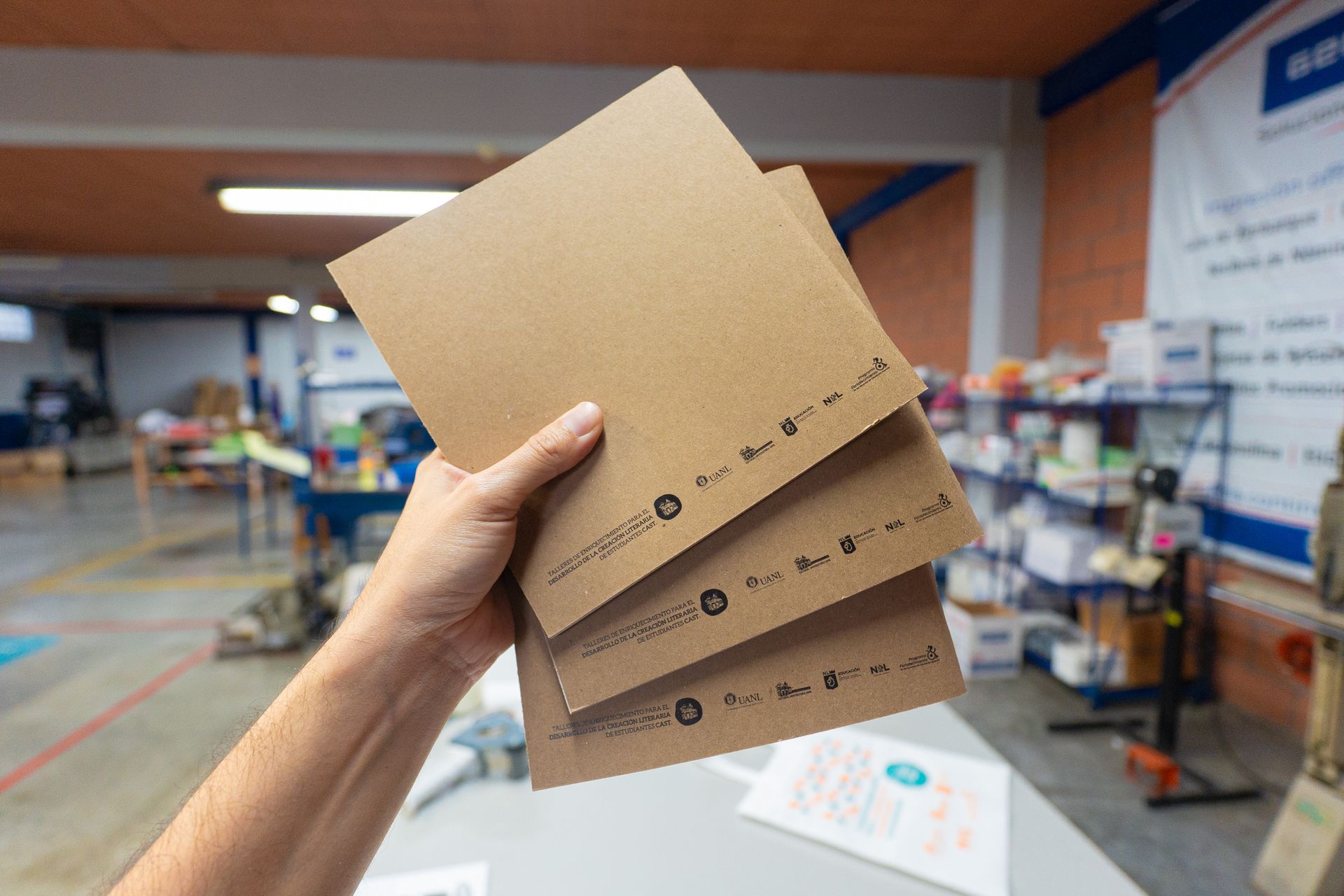
Primer plano de una mano sosteniendo una libreta institucional personalizada, parte del material cor
11 de junio de 2026
Descubre cómo el servicio de impresión se transforma en la era digital. Analizamos el futuro de la impresión, la IA y la sostenibilidad con datos de Geformas.
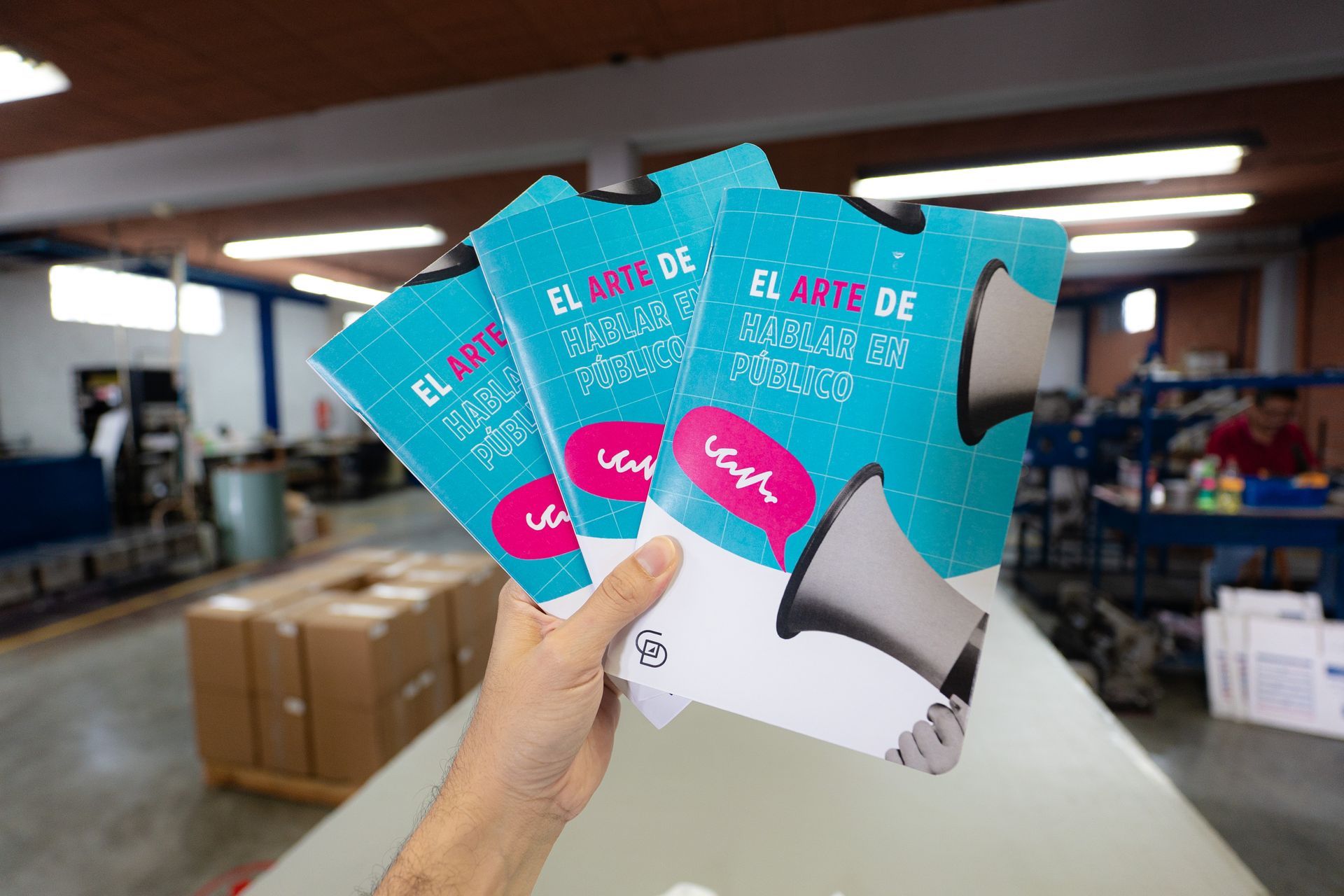
Hand holding three turquoise-and-white brochures in a print shop, with boxes and equipment in the background
2 de junio de 2026
Domina conceptos como CMYK, DPI, offset y sangrado con este glosario de Geformas. Evita errores costosos y asegura impresiones de alta calidad.

Pluma Impresa personalizada según tendencias en comunicación
28 de mayo de 2026
Descubre las tendencias en comunicación corporativa y publicidad impresa para 2026. Maximiza la rentabilidad con IA, sostenibilidad y personalización estratégica.

ROI de publicidad impresa en folletos
22 de mayo de 2026
Descubre el ROI de publicidad impresa vs digital en México 2026. La combinación genera 40% más ROI, 4x más recordación y 90% más confianza.
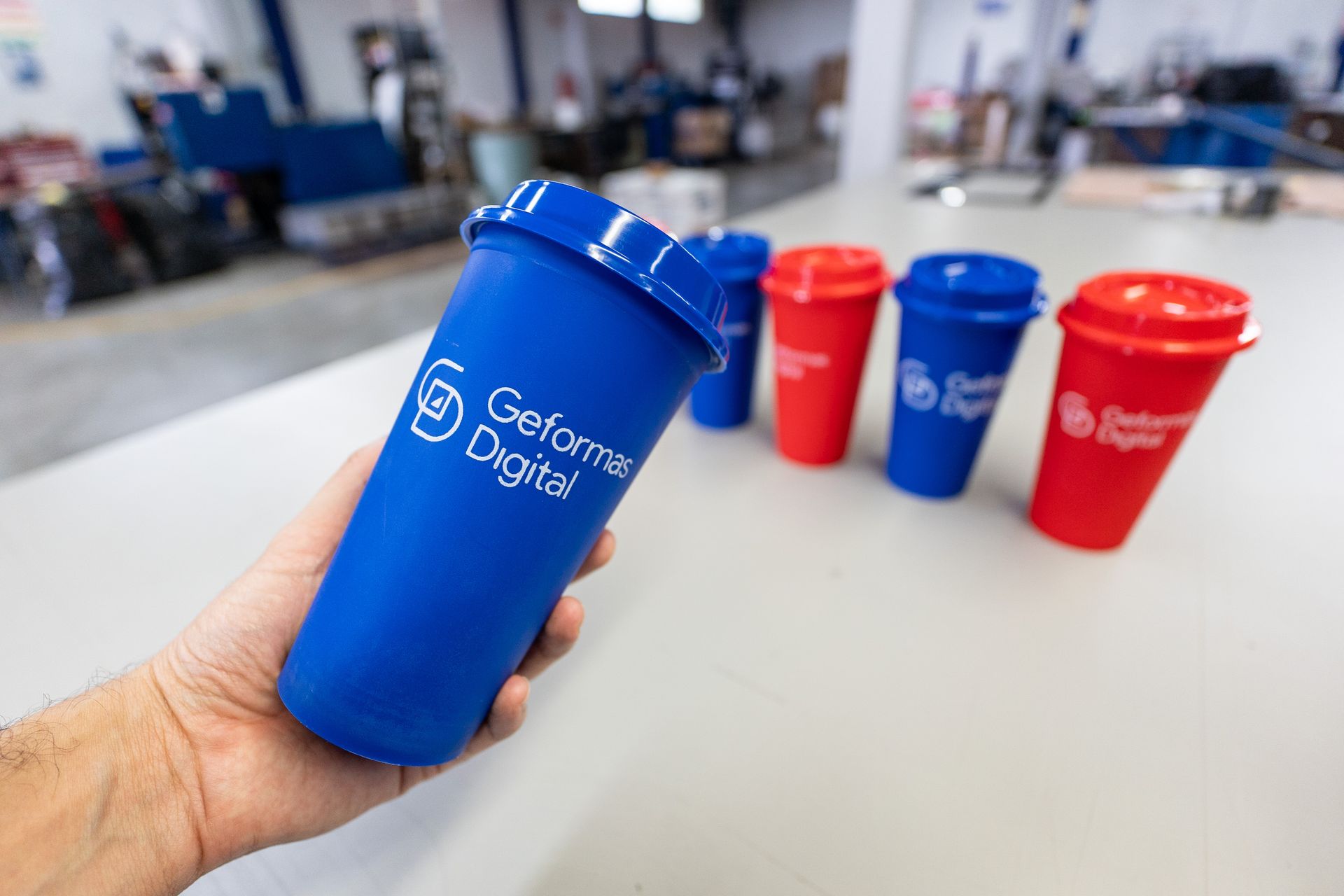
Marketing impreso. Vasos y termos personalizados hechos en Geformas para Geformas Digital.
14 de mayo de 2026
¿Marketing impreso o digital? Descubre cómo Geformas combina ambos mundos para generar confianza, permanencia y más ventas en tu empresa.
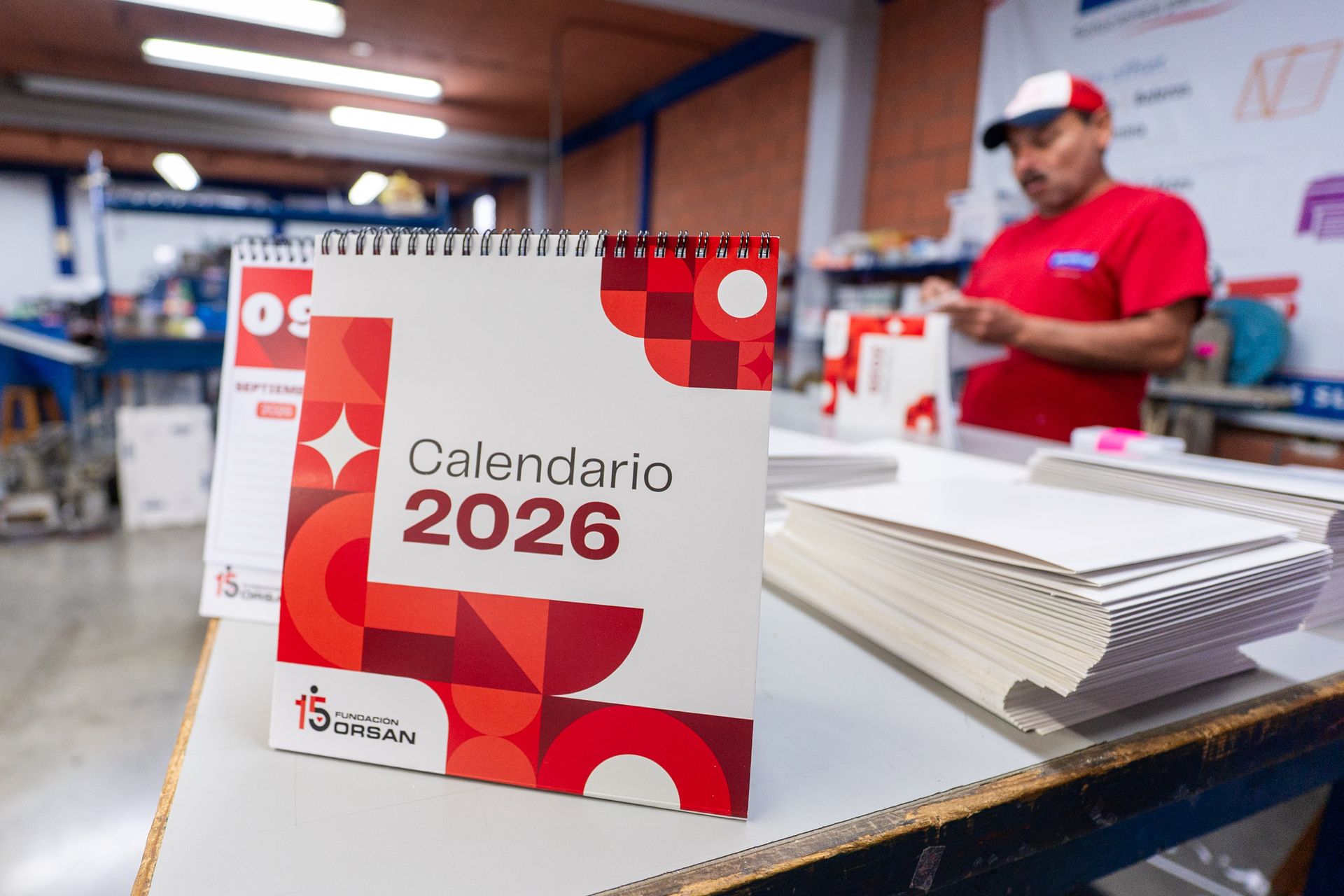
Tendencias de impresión comercial en México
16 de abril de 2026
Descubre las tendencias 2026 en impresión comercial en México: IA, sostenibilidad y empaques inteligentes para potenciar tu marca. ¡Descarga el informe!
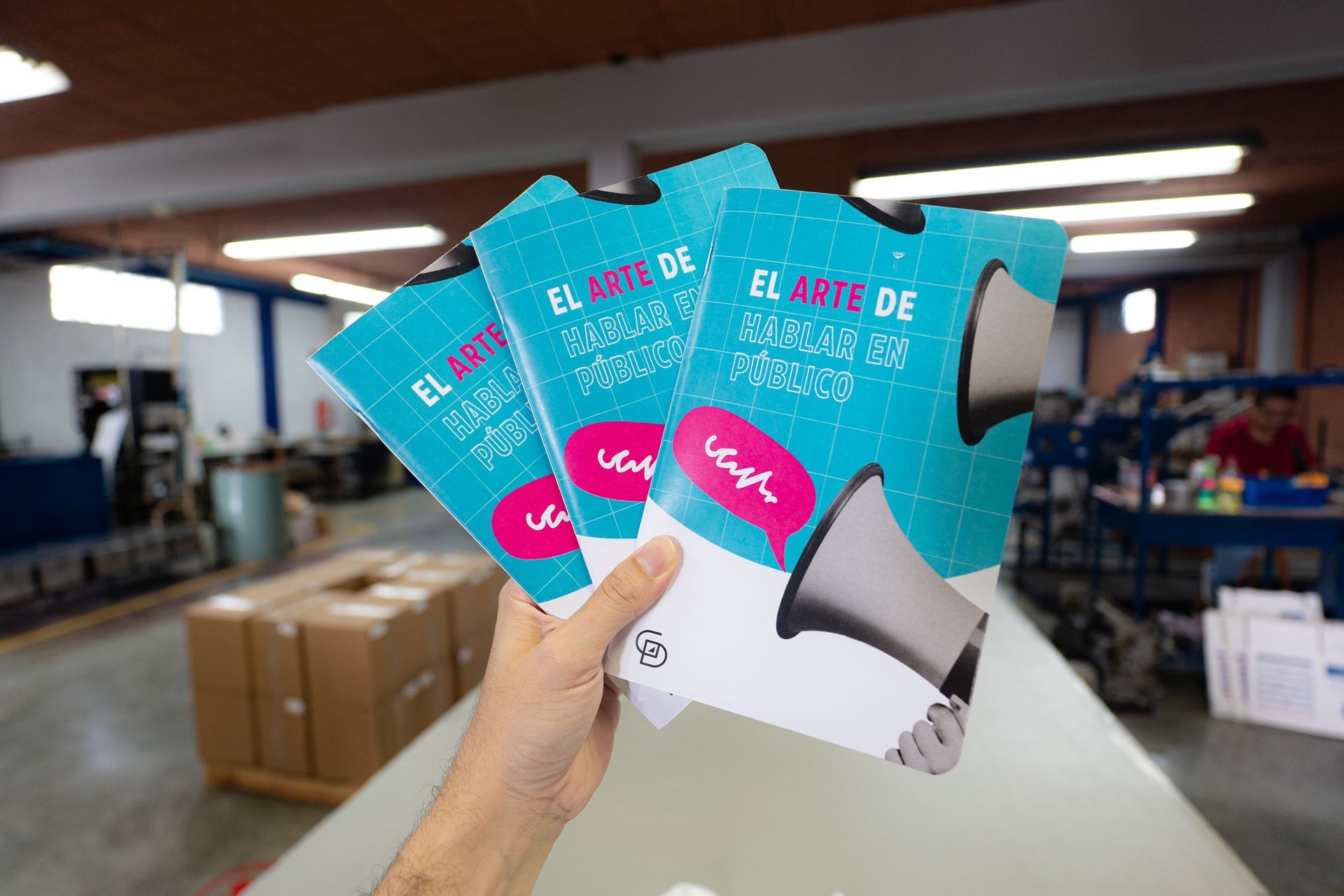
Libretas para curso listas para cotizar impresión comercial con Geformas.
26 de febrero de 2026
Cotizar impresión comercial sin errores: guía para definir tiraje, técnica, materiales y tiempos con asesoría profesional.